
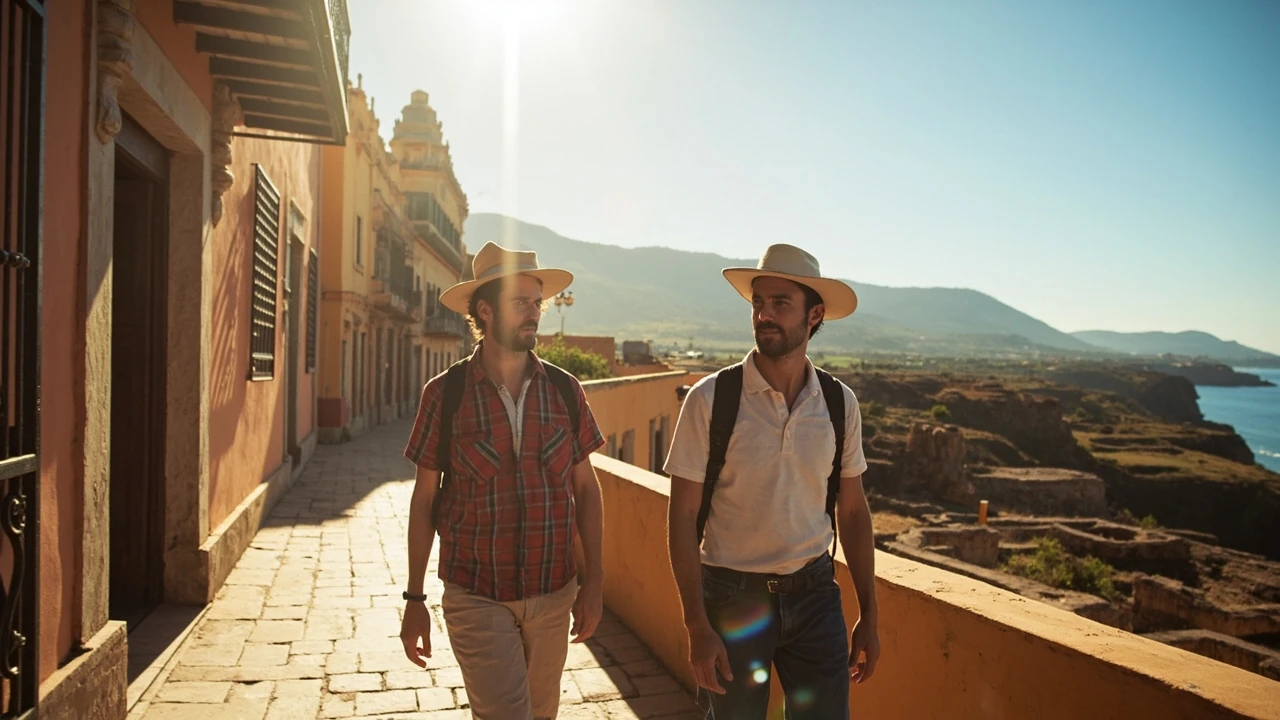
Attractions in Mexico: where to start your itinerary
Choosing attractions in mexico can be harder than choosing the destination itself. Mexico City offers museums, markets, monumental architecture, and neighborhoods best experienced over several days. The Yucatán Peninsula is built around Maya sites, beaches, cenotes, and coastal towns. Southern Mexico adds colonial cities, cloud forests, and archaeological landscapes, while the Pacific Coast ranges from historic waterfronts to surf towns and quiet fishing villages.
The best plan begins with two questions: how much time do you have, and what kind of experience do you want? A visitor with four days in Mexico City should not spend every morning chasing attractions around the country. Someone staying for two weeks in the Yucatán can balance ruins and swimming without rushing between distant regions. Even a long holiday benefits from grouping places by region instead of creating a route that crosses hours of travel for a single photo stop.
This guide covers the major choices without pretending that every attraction deserves equal time. It helps first-time visitors match destinations to their interests, distinguish landmarks from less demanding alternatives, and plan a realistic daily rhythm. Timetables, admission rules, transportation conditions, and access details can change, so confirm current information with official sites or reputable local operators before each visit.
Match the right region to the experience you want
Mexico is large enough that regional selection matters more than the number of places on a list. The country’s geography, shown in the overview of Mexico, includes mountainous interiors, tropical lowlands, deserts, and long coastlines. Those differences influence everything from walking conditions and seasonal weather to the pace of daily travel.
Think about the strongest part of your trip rather than trying to collect every famous sight. History-focused travelers can concentrate on Mexico City, Oaxaca, Mérida, or the archaeological route through the Yucatán. Beach visitors may be happier with Cancún, Playa del Carmen, Cozumel, Puerto Vallarta, or other coastal stops than with a route dominated by museums. Food-focused trips work well around Mexico City, Oaxaca, Puebla, Mérida, and coastal cities where regional ingredients and restaurant traditions are part of the destination itself.
Use this comparison to narrow the field before choosing individual stops.
| Travel priority | Best-fit regions | Experience to build around | Planning consideration |
|---|---|---|---|
| Major museums and architecture | Mexico City and Puebla | Neighborhood museums, major plazas, historic centers, and day trips | Allow time for transit and heat rather than cramming distant sights into one day |
| Maya history | Yucatán Peninsula and Chiapas | Archaeological sites, colonial stops, cenotes, and regional towns | Distances can be substantial even when the destinations share a tourism circuit |
| Food and street culture | Mexico City, Oaxaca, Mérida, and coastal cities | Markets, regional dishes, neighborhood restaurants, and evening dining | Start with one or two food districts per city instead of crossing town for every meal |
| Beach relaxation | Yucatán, Riviera Maya, and Pacific Coast | Swimming, snorkeling, boat trips, and resort time | Separate beach days from inland excursions to protect the restorative part of the trip |
| Nature and outdoor travel | Chiapas, Oaxaca, Veracruz, and Copper Canyon | Forest trails, waterfalls, mountain scenery, and wildlife | Research permits, road conditions, weather, and guide requirements in advance |
Choose one primary region and treat any neighboring area as an optional extension. Staying in fewer places usually creates a better experience than moving every two nights. It also leaves room for unplanned meals, market visits, weather changes, and the simple need to return to a comfortable hotel after a demanding excursion.
Three practical rules make regional planning easier:
- Keep arrival and departure days light. Flights, transfers, luggage, and unfamiliar navigation can consume a day that might otherwise look available on a calendar.
- Group places by travel logic. A city center, a nearby archaeological zone, and a village connected by the same route are easier to visit than three unrelated landmarks.
- Preserve one flexible block. Leave room for a repeat, a canceled activity, a favorite market, or a recommendation from a local guide.
If another destination seems difficult to leave behind, compare the experience rather than the distance. Mexico is not a checklist country. A shorter route built around genuine interests usually produces clearer memories than a fast survey of unrelated postcard scenes.
Start with Mexico City for art, history, and neighborhood variety
Mexico City rewards travelers who treat it as a collection of districts rather than one enormous attraction. The historic center contains major plazas, colonial architecture, and important museums, while neighborhoods such as Roma Norte, Condesa, Coyoacán, and San Miguel Chapultepec create distinct settings for food, parks, markets, and local life. The city also works well as a base for broader central Mexico itineraries.
Prioritize the experiences that best fit your interests. Art lovers may prefer the Museo Franz Mayer and Museo Soumaya, while archaeology-focused visitors can devote time to the Museo Nacional de Antropología. Large landmark plazas are best absorbed on foot with time to watch street life, not treated as isolated photo stops. Markets offer a different kind of attraction, combining food, local conversation, and sensory variety.
Do not place too many museums on one day. Visit energy fades quickly, and each collection deserves more than a hurried hour. A better pattern is to choose one major interior attraction in the morning, have lunch nearby, walk through a different neighborhood, and save the afternoon for a market, park, or short museum visit.
For architecture, murals, and public art, the city’s scale can feel overwhelming. Choose one thematic route, such as central historic plazas, modernist residences, or the museums around Chapultepec. For neighborhoods, decide whether the priority is food, independent shops, parks, or a particular historical period. Specific intent produces a better day than a list of every famous address.
| Interest | Strong starting choices | Best way to organize the day |
|---|---|---|
| Mexican art and design | Franz Mayer, Soumaya, and the capital’s gallery district | Choose one museum for detailed viewing, then add a neighborhood stroll |
| Human origins and pre-Hispanic cultures | National Museum of Anthropology | Allow a substantial block and focus on a few galleries rather than rushing every room |
| Public spaces and historic center | Major plazas, historic streets, and nearby museums | Walk a compact route in the morning or late afternoon |
| Food and local street life | Neighborhood markets and dining districts | Go in small clusters and order several small dishes rather than chasing specific venues |
| Nature within the city | Chapultepec, parks, and urban cultural spaces | Pair a short museum visit with a longer outdoor block |
A day trip can add context, but it should not be chosen merely because the destination is famous. Teotihuacan, for example, makes sense for travelers who want to focus on monumental archaeology and have enough time for the journey. A visitor with limited time may gain more from a second neighborhood day in Mexico City. Both choices are valid; one fits a broad first visit, while the other suits a trip with a specific historical interest.
Follow the central and southern routes for colonial cities and deeper history
Outside Mexico City, central and southern Mexico provide the strongest sense of regional variety. Oaxaca anchors a journey built around food, markets, traditional crafts, nearby villages, and archaeological sites. Puebla offers a distinct colonial setting, strong food traditions, and access to several important heritage sites. Morelia is known for its historic center and atmosphere, while San Cristóbal de las Casas provides a different entry point to the cultural landscapes of Chiapas.
These cities work best as travel experiences in themselves. A useful day includes a market, a historic walk, a meal, and one focused attraction. Trying to see every church, museum, and craft workshop compresses the atmosphere that makes these places memorable.
Day trips can deepen the visit, but they require judgment about transport and time. Some archaeological areas can be reached through organized excursions or public transportation. Others require a driver and a longer block of time. Confirm the current access method before departure, and do not assume that a distant site fits comfortably between two museum appointments.
Three kinds of side trips tend to reward slower travel:
- Archaeological routes for travelers who want more than a brief stop and can devote most of a day to travel and interpretation.
- Market and village experiences for travelers interested in regional products, cooking, workshops, and local social life.
- Landscape trips for visitors who prefer canyons, forests, lakes, or mountain scenery over additional museums.
Oaxaca deserves particular attention because it is a destination as well as a departure point for the surrounding region. Spend at least one day in the city before adding an excursion, and treat food as a primary attraction rather than an incidental break between landmarks. A market visit, a seated regional meal, and a walk through a less familiar street can occupy a day more meaningfully than a rushed sequence of photo stops.
For travelers comparing regional approaches elsewhere in the Americas, the ideas behind Greece History Is Bigger Than Ancient Athens offer a useful reminder that visible monuments are only one part of a country’s story. The same principle applies in Mexico: food, neighborhood design, regional speech, markets, and contemporary life can carry as much meaning as the headline ruins.
Use the Yucatán Peninsula for Maya sites, cenotes, and coast time
The Yucatán Peninsula offers a particularly clear balance of culture and recreation. Chichén Itzá provides one of the region’s most impressive archaeological experiences, while Tulum, Cobá, and other Maya sites offer different settings and levels of exploration. Inland cenotes provide a way to experience the region’s limestone landscape and swim in protected water. Along the coast, Cancún, Playa del Carmen, Tulum, Isla Mujeres, Cozumel, and smaller communities serve travelers seeking beaches, snorkeling, boating, and nightlife.
Start by deciding how you want to balance the inland sites and the coast. Visitors who stay in Cancún or Playa del Carmen can make excursions, but a day spent in a vehicle may use a large share of available time. Staying near Tulum can reduce travel for some southern routes, though it may increase the distance to other inland stops. The right base depends on the actual sequence of attractions, not on a general claim that one area is always better.
The region’s official and respected travel guidance offers a particularly useful framing in Cancún and the Riviera Maya travel guide, which focuses on combining specific activities with beach time rather than covering too much ground. That approach suits the peninsula well. Choose an archaeological site for one day, a cenote or snorkeling excursion for another, and leave another block for the beach or a coastal town.
| Traveler priority | Places to consider | How to avoid an overpacked day |
|---|---|---|
| Major Maya history | Chichén Itzá | Plan a dedicated excursion and avoid stacking it with a distant coastal activity |
| Smaller ruins and active exploration | Tulum, Cobá, and other archaeological zones | Choose one archaeological theme per day and allow time for heat and transit |
| Swimming and water activities | Cenotes and coastal snorkeling areas | Confirm current access, rules, and transport before booking a specific activity |
| Easy beach access | Playa del Carmen, Cancún, and Tulum coast | Use the hotel area as a base and treat the beach as a planned activity, not leftover time |
| Island exploration | Cozumel and Isla Mujeres | Check ferry or flight schedules and current transfer requirements |
Heat, hydration, and sun exposure deserve more attention here than the sheer number of stops. A cenote, ruins, and a beach in the same day can sound appealing but may be physically demanding. The same applies to boat excursions and snorkeling trips. Build travel days around one demanding activity, not a collection of every attractive thing mentioned during a briefing.
For an added perspective on destinations that contain more than their headline experience, compare this route with Panama Is Much More Than the Canal. Both examples show why waterways, ecosystems, local towns, and daily life should be considered when choosing a regional itinerary.
Look beyond the beach on Mexico’s Pacific Coast
The Pacific Coast is often discussed as a single destination, but its towns and landscapes serve different travelers. Puerto Vallarta and the surrounding area combine beaches with restaurants, traditional villages, and inland scenery. Mazatlán offers a long waterfront, markets, old neighborhoods, and a strong food culture. Further south, coastal communities such as Sayulita and Barra de Navidad offer a slower rhythm, with water activities and surf culture at different levels of intensity.
Travelers looking for a developed resort district will find the largest concentration of familiar amenities around Puerto Vallarta. Those who prefer a more active coastal scene may prefer Mazatlán or towns built around surf. Quieter beaches and smaller centers can suit travelers who value space and local atmosphere over nightlife or a long list of organized activities.
Do not judge the entire coast by the first beach you see. Travel inland for a few hours and the landscape changes quickly. Mountains, agricultural valleys, forests, and rural towns sit close to many developed shores. A guided visit can reveal a different side of the region and explain how communities, ecosystems, and tourism relate to one another.
The Pacific coast works especially well for a slow itinerary:
- Begin with a town-based day that includes a market, waterfront walk, meal, and nearby beach rather than a packed sightseeing list.
- Choose one water activity based on your actual interest and confidence, whether that is surfing, paddling, swimming, or a boat trip.
- Reserve an inland day for scenery, small towns, or an excursion when the beach plan feels repetitive.
- Keep the final night simple when departure is the next morning, especially if the airport transfer involves a coastal traffic corridor.
Seasonal weather can influence the best time for specific outdoor activities, while water conditions affect boating and surf. Check official forecasts and local guidance rather than relying on an old travel memory. Avoid turning a weather delay into a crisis: a market, museum, café, or longer meal can fill part of a stormy day when outdoor plans are not possible.
Build a day that leaves room for heat, transit, and discovery
A strong daily plan does not need to maximize every hour. It needs to place the right activities in a sequence that respects energy, distance, and opening conditions. Start with the attraction that deserves the most attention, not necessarily the one nearest the hotel. Place demanding outdoor experiences when you are fresh, and save easier activities for a later hour.
A useful planning method is to divide the day into four blocks:
- Anchor: Choose the one activity that justifies the day, such as a major archaeological site, museum, market, or outdoor route.
- Support: Add nearby meals, a short neighborhood walk, or a compact secondary stop that does not create a long transfer.
- Reset: Leave time for rest, a hotel break, a swim, or a café before the evening activity.
- Evening: Choose one outing based on your preferred pace: a lively dining district, a performance, a sunset walk, or a quiet night near the lodging.
This structure is especially useful in large cities and warm regions. It prevents every hour from being assigned and makes the itinerary more resilient. If the anchor activity runs late, the secondary stop is the first item to remove.
Before committing to a day, write down the transfers between locations and the amount of time at each stop. Include waiting, walking, security, tickets, and meals in the estimate. If the schedule only works when everyone moves instantly, it is not a reliable plan.
| Planning question | Why it matters | Practical response |
|---|---|---|
| Is this the day’s main experience? | Secondary attractions can consume the attention and energy reserved for it | Mark one anchor before adding anything else |
| How long does the transfer really take? | City traffic and rural roads can make estimates unreliable | Use conservative door-to-door timing |
| Does the schedule include meals and rest? | A packed sequence often creates a rushed, tiring day | Build in an unhurried lunch and one reset period |
| Is there a wet-weather alternative? | Outdoor plans are vulnerable to heat, rain, and storms | Identify one indoor or low-effort substitute |
| What can be removed first? | Changes happen more easily when the plan has priorities | Keep a short optional list rather than a second full itinerary |
Leave the final day of each location lighter than the others. A morning market, a museum, and a final meal often feel more pleasant than another demanding excursion immediately before a flight. If the departure time is early, do not place a distant attraction on the same day.
Handle the practical details before you arrive
Most disappointing days are not caused by a wrong landmark. They result from mismatched expectations, missed connections, heat exposure, or an itinerary with no margin. A little preparation solves many of these problems.
First, identify each attraction’s official information source. This matters for archaeological zones, museums, national parks, ferry operators, and major events. Requirements can include timed entry, identification, reservations, vehicle restrictions, deposits, or site-specific rules. Confirm them close to the visit rather than relying on a third-party summary written at an unknown time.
Next, plan transportation at the level of the final mile. A tour that reaches a regional airport does not necessarily reach a hotel entrance or a remote ruin. Ask where a shared transfer drops passengers, how long the journey lasts, and whether the schedule changes seasonally. For independent travel, check whether the distance is realistic by bus, train, rental car, or driver.
Bring a simple daily kit and adjust it for the region:
- Water and electrolytes: Carry a refillable bottle where practical and drink before long outdoor periods.
- Sun protection: Use sunscreen, a hat, and shade or lightweight clothing for archaeological walks and exposed coastlines.
- Comfortable footwear: Choose shoes that can handle heat, uneven paving, steps, and long transfers.
- Small cash and a backup payment method: Some markets, rural businesses, or informal transport may not accept the payment method you prefer.
- Offline copies of confirmations: Keep bookings, addresses, emergency details, and health information accessible even when mobile service is inconsistent.
- A light layer: Carryable layers help with air-conditioned interiors, cool evenings, rain, and boats.
Food and water safety deserve ordinary attention rather than alarm. Choose busy places with active kitchen operations, keep cold food properly chilled, and use reputable advice for drinking water, ice, and raw ingredients. Travelers with specific medical needs should consult a qualified clinician before departure.
Finally, separate the experience from the photograph. Some places are most rewarding when you slow down: watching a market prepare food, listening to a performance, watching the light change over a courtyard, or following a guide through a less familiar neighborhood. The best attractions in mexico are not always the largest or most famous. They are the places that match your interests and have enough time to become clear rather than merely recognizable.
Frequently asked questions
What are the best attractions in Mexico for a first visit?
For a first visit with limited time, Mexico City offers the broadest mix of museums, architecture, food, and neighborhoods. The Yucatán Peninsula is a strong alternative for travelers who want a clearer combination of Maya history, beaches, cenotes, and coastal towns. Choose the region that best matches your priorities rather than trying to cover both in a short trip.
How many days should I spend in Mexico City?
Three full days allow a comfortable overview of the historic center, major museums, and several neighborhoods. Five or more days make it easier to add a day trip, revisit a favorite district, or slow down around food and local life. A shorter visit can still work, but it benefits from selecting a small number of priorities.
What is the best way to see Mexico’s archaeological sites?
The best method depends on the site, your transport options, and how much time you have. A guided excursion can add context and simplify access to remote locations. Independent travel may suit travelers who prefer flexibility and a clear understanding of the route. Compare the total door-to-door time with the time available for the site itself.
Should I visit the Yucatán Peninsula or the Pacific Coast?
Choose the Yucatán for Maya sites, cenotes, offshore islands, and the broad selection of Caribbean beach experiences. Choose the Pacific Coast for slower coastal towns, surf culture, food-focused city breaks, and easier access to mountain or rural scenery. Both regions reward a regional itinerary, but trying to connect them on a short trip adds a large amount of travel.
Are Mexico’s beaches suitable for families?
Many beaches are family-friendly, especially in developed resort areas, though conditions vary by beach. Consider swimming conditions, available services, restroom access, shade, and the suitability of excursions for children. An all-inclusive property may simplify logistics, while independent travel offers more control over meals and daily activities.
Do I need a rental car to visit attractions around Cancun?
Not for every experience. Organized excursions and some public or shared transport options can reach major visitor areas, while a car may be useful for flexibility or specific inland routes. Road conditions, parking, and coverage differ across the region, so check current information rather than assuming a car will simplify every day.
What should I pack for archaeological sites and cenotes?
Bring water, sun protection, comfortable shoes, swimwear for a cenote or hotel pool, and a light layer for cooler interiors or evenings. Secure belongings rather than leaving them unattended. At some sites, rules may restrict food, plastic, drones, or entry into certain water areas, so check official guidance first.
Can I visit Mexico’s museums with a short stop?
You can, but a large collection may become exhausting and harder to remember. Pick the museum or gallery that matches your interests, read enough beforehand to form questions, and focus on selected sections. For a broader view, use the museum as the anchor for one day rather than adding several major institutions to the same route.
Is it better to use a tour or travel independently in Mexico?
Independent travel provides flexibility and is often well suited to cities and well-connected regions. Tours can be valuable for archaeological interpretation, remote natural areas, and places with specialized transport. The better choice depends on your comfort with logistics, the remoteness of the destination, and the amount of time you have, not simply on a general preference for one style.
How should I plan a two-week itinerary across Mexico?
A two-week trip should usually use two or three bases rather than a rapid multi-city circuit. Spend several days in Mexico City, then move to one other region based on your interests, or use a longer stay in the Yucatán with carefully chosen excursions. Leave arrival and departure days light and preserve at least one flexible day for weather, fatigue, or a favorite unplanned activity.

Leave a Reply