
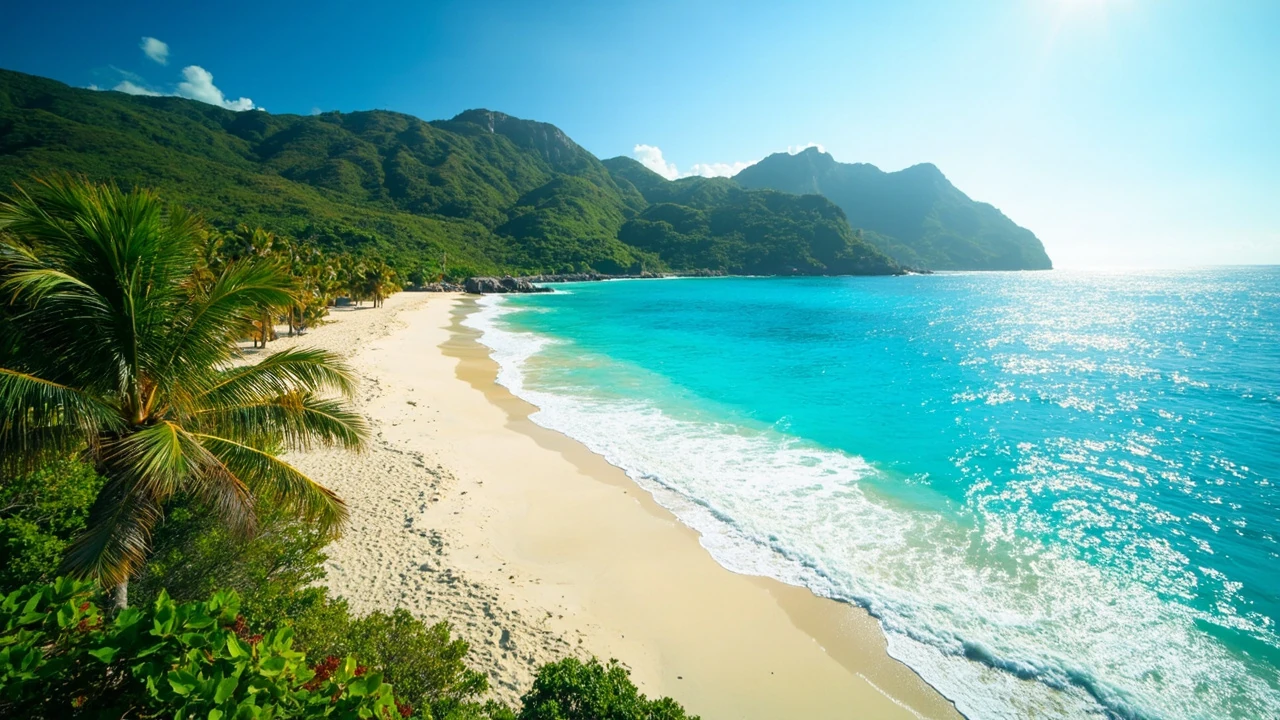
What Puerto Rico Island Is—and Why It Deserves Its Own Itinerary
Puerto Rico Island is the main island of the Commonwealth of Puerto Rico, and it is much more than a single beach destination. The island combines historic towns, rainforest, mountains, coffee country, coral coastlines, bays, lagoons, and a strong food and music culture. It also works as a practical base for day trips to smaller offshore destinations. For travelers, the challenge is not finding things to do; it is deciding how to distribute limited time without spending the entire trip in traffic.
The distinction matters because “Puerto Rico” can refer to the entire territory, while Puerto Rico Island usually means the large central landmass. The broader territory includes more than 143 islands, keys, and islets. The supplied list of Puerto Rico islands explains that only Puerto Rico, Vieques, and Culebra are regularly inhabited, with a small number of other islands used for nature protection or private purposes. That distinction helps travelers decide when to treat the main island as a complete vacation and when to add an offshore day or overnight stay.
A good first plan begins with the kind of experience you want. Beach time is only one part of the island. San Juan offers walkable historic streets, fortifications, restaurants, nightlife, and museums. The western side draws travelers toward dramatic coastal scenery, bioluminescent bays, and sunset views. The central mountains and southern towns provide a different rhythm, with coffee farms, small restaurants, historic streets, and easygoing days. El Yunque, the island’s only tropical rainforest, offers trails and waterfalls east of San Juan.
This guide focuses on the main island and explains how to choose a base, move between regions, plan activities around weather and energy levels, and build an itinerary that leaves room for spontaneous discoveries. It is designed for travelers who want practical information rather than a checklist of every attraction in the territory.
Choosing the right base on Puerto Rico Island
Where you stay determines how much time you spend moving. A central or coastal base can make a first trip easier, but staying in one area for every night may mean longer drives and less time actually experiencing the island. The best base depends on your priorities, the length of your stay, and whether you want a resort-style break, a city experience, or a more local rhythm.
| Base or region | Best for | Advantages | Tradeoffs |
|---|---|---|---|
| San Juan and the northern coastal area | First-time visitors, short trips, dining, history, and easy access to El Yunque | Broad range of lodging, restaurants, historic sights, and transport options | Higher prices and more tourist activity in some areas; beach traffic can be busy |
| Vieques | Travelers seeking a quieter island experience and easygoing coastal days | A relaxed pace, strong snorkeling opportunities, and a different mood from the capital | Requires a ferry or flight connection and adds another base or day-trip logistics |
| Culebra | Boat trips, snorkeling, kayaking, and travelers who want to concentrate on the water | Clear water, marine activities, and a compact island setting | Less suitable as a base for exploring the main island; access depends on the itinerary |
| Western coastal towns | Scenic road trips, sunsets, kayaking, and slower itineraries | Strong sense of place, dramatic scenery, and less urban pacing | Farther from San Juan and El Yunque; driving takes more time |
| Central and southern towns | Food, coffee, history, hiking, and a more compact road-trip experience | Good value in some areas and an easier connection between mountains, towns, and coast | Less convenient for a quick beach-focused weekend; some attractions require a car |
For a first visit of four to seven nights, spending at least two nights in or near San Juan is usually the most straightforward approach. It gives you time to recover from travel, explore Old San Juan, and reach the northern coast without making every day a long transfer. From there, you can add a day trip to El Yunque or an overnight stay in a smaller coastal town.
If your trip lasts two weeks or more, splitting the stay is usually more rewarding. A possible arrangement is several nights in San Juan, a few nights on the west coast, and a final block in the south or east. Moving hotels can be tiring, so change bases only when the new location unlocks a distinctly different experience.
When comparing locations, ask three practical questions:
- How long will it take to reach the first activity on your list from the lodging?
- Will you have transportation that works late in the day?
- Do you want to return to the same neighborhood every evening, or would a short local walk be part of the experience?
A resort can be an excellent choice for a focused beach holiday, but a smaller town often gives you more contact with everyday Puerto Rican life. Neither is inherently better. The mistake is choosing a property based only on a beach photograph without considering the rest of your itinerary.
Understanding the island’s regions before you start driving
Puerto Rico Island is small enough to cross in a manageable drive, but distances can feel longer than expected during peak travel periods. San Juan sits on the northeast coast. The northern coastal corridor leads toward beaches, surf communities, and El Yunque. The east and southeast offer access to smaller coastal areas and the southern mountain region. Ponce and the south connect to dry-forest landscapes, historic sites, and quieter coastlines. The west contains popular sunset and water-activity destinations.
Road signs may use English, Spanish, or both, which helps visitors navigating unfamiliar routes. Puerto Rico drives on the right, and many visitors rent a car to reach areas that are less convenient by public transportation. The island’s expressways are useful for long distances, while local roads connect towns and rural attractions. Travel times can increase substantially near San Juan, popular beaches, and major weekend destinations.
For a first visit, group nearby stops instead of trying to combine distant regions in one outing. A day that includes Old San Juan, a long beach stop, a rainforest entrance, and a sunset drive may look efficient on a map but become mostly a day in the car. A simpler plan is usually more enjoyable.
The island’s topography also affects weather and road conditions. Rain can be heavy in the mountains and eastern areas, while the south is generally drier. Mountain roads often curve sharply and offer limited visibility. If you are nervous about narrow roads, steep grades, or unfamiliar driving conditions, stay closer to the northern coastal corridor and use guided activities for more remote areas.
A practical way to organize a Puerto Rico Island itinerary
The most useful itinerary is one with a clear anchor for each day. Instead of filling a page with attraction names, decide what kind of experience should occupy the morning, afternoon, and evening. This leaves time for meals, parking, walking, and delays without losing the structure of the trip.
| Trip length | Suggested structure | Places to prioritize | Planning principle |
|---|---|---|---|
| 2-3 days | San Juan base with one regional day trip | Old San Juan, El Yunque, one northern beach | Keep days simple and avoid overlapping long drives |
| 4-6 days | San Juan, one inland or southern day, and one west-coast day | Historic city, rainforest, coffee country, and sunset coast | Use one base for the busiest nights, then move once |
| 7-10 days | Two or three bases with focused regional days | San Juan, El Yunque, south, west, and an offshore island | Alternate active and relaxed days rather than rushing daily |
| 11 days or more | Several regional bases plus Vieques or Culebra | Main island highlights and offshore water activities | Reserve at least one flexible day for weather or a repeat favorite |
For most travelers, a balanced week includes a city-and-history day, an El Yunque day, a beach day, a southern cultural day, and a western coastal outing. Add one slower evening for a long dinner or a local performance rather than filling every night with scheduled activity. That spare time often becomes one of the trip’s best memories.
Keep a weather-flexible day near the end of the trip when possible. Tropical weather can change quickly, and moving the outdoor activities rather than the indoor ones is usually easier. A rainforest day can shift to a museum or historic district, while a beach morning can become a coastal drive with short stops.
Use this checklist while refining the plan:
- Choose no more than one major distant region per day.
- Leave a realistic buffer between activities and the next meal or transfer.
- Check whether a park, beach, or attraction requires a reservation or an early arrival.
- Decide in advance whether you value a guided activity, independent exploration, or both.
- Save at least one location for a repeat if the first visit goes well.
Beaches, water activities, and the coast
Puerto Rico Island has a wide range of coastal experiences. Some beaches are calm and family-friendly, some are known for surf, and others are better known for clear water and snorkeling. The right beach depends on what you plan to do and how much infrastructure you want nearby.
Northern beaches are often the easiest starting point for a first visit because they are close to San Juan. The southern coast has many beautiful but less developed stretches, with stronger surf in some areas. The west and east provide access to bays, coves, and water-sports destinations. When conditions or currents are unfamiliar, ask locally about safe swimming areas rather than assuming every cove has the same conditions.
Snorkeling, kayaking, paddleboarding, surfing, and boat excursions can all work well, but conditions and access vary by location. A calm morning is not always the best choice for a bioluminescent-bay tour because the darkness needed to see the glow is part of the experience. Conversely, an early departure can help avoid both heat and crowded parking at popular natural attractions.
Do not treat a beach as a single type of destination. Consider the questions below before choosing one:
- Do you want swimming, snorkeling, surfing, or simply a place to sit near the water?
- Is nearby parking easy, or will you need to walk with equipment?
- Are there restrooms, food options, lifeguards, and shade?
- Is the area known for strong currents or boat traffic?
- Will you be spending the whole day, or combining the beach with another activity?
For a more relaxed alternative to a crowded sand beach, look for a coastal town and use the shore as a base for a walk, a café stop, or a sunset viewing. The For additional context, island’s appeal often comes from the combination of water and surrounding landscape rather than from one postcard viewpoint.
El Yunque and the island’s interior: where the landscape changes
El Yunque is the most distinctive natural area on the main island and the best-known rainforest in the United States. Its combination of wet forest, steep terrain, waterfalls, and tropical vegetation contrasts sharply with dry southern landscapes and developed coastal districts. It is a good place to experience the environmental range of Puerto Rico Island.
Rainforest conditions require some preparation. Trails can become muddy, streams can rise after heavy rain, and some routes have slippery sections. Wear shoes with good traction, carry water, and avoid entering closed areas. The weather changes quickly in the mountains, so a lightweight rain layer is more useful than assuming the forecast will stay dry all day.
Outside El Yunque, the interior includes mountain towns, coffee-growing areas, valleys, and agricultural landscapes. These places are best experienced at an unhurried pace. A town visit can include a café breakfast, a short walk, a museum or historic site, and a drive through the surrounding hills. Trying to add a major beach, a major city, and a distant viewpoint to the same day can leave little time for any of them.
Coffee tourism is one practical way to learn about the interior. Puerto Rico has a long coffee tradition, and small operations often explain growing, processing, and tasting in a way that is more informative than a quick photo stop. Whether you buy a bag is a separate decision; the visit remains worthwhile for the agricultural and cultural context.
Southern Puerto Rico offers another distinct landscape: drier hills, cactus and dry forest, historic towns, and a coastline that can be strikingly blue. It pairs well with Ponce, coastal overlooks, and nearby rural scenery. The change in atmosphere is one reason travelers who initially planned only San Juan and the north often return with a more varied view of the island.
Food, neighborhoods, and local cultural rhythm
Food is easiest to enjoy as part of the day rather than as a checklist of named restaurants. Puerto Rican cuisine uses rice, beans, plantains, meat, seafood, and herbs in combinations that vary by household and region. A visitor can learn more by noticing how meals are prepared and served, especially when eating in a small town or visiting a market.
Plan for the realities of local dining hours. Many restaurants have limited hours, and popular places may fill during popular meal periods. If a particular restaurant matters to you, check the current schedule and plan the rest of the day around it. For the same reason, keep one or two low-pressure meals in reserve in case a place you hoped to try is closed or unavailable.
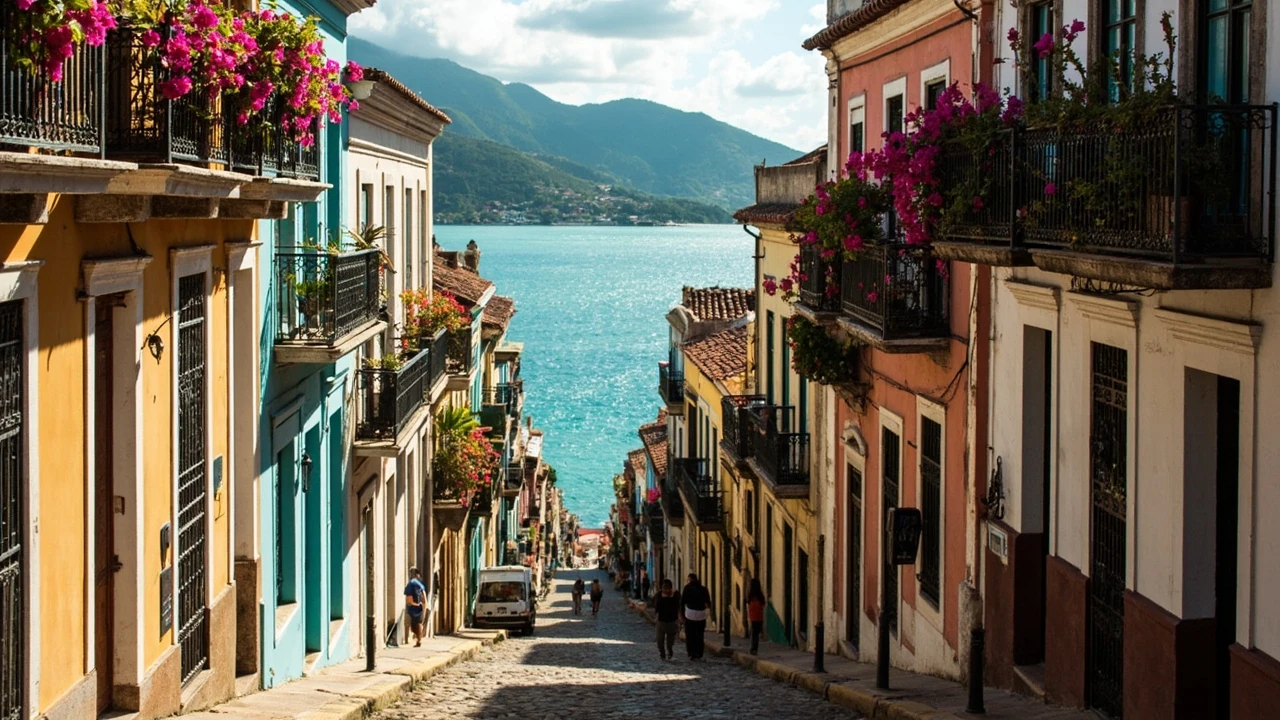
Neighborhoods offer a different kind of sightseeing. Old San Juan is compact and walkable, with narrow streets, blue and white buildings, forts, plazas, and the remains of a Spanish colonial city. Elsewhere, the urban experience may include residential streets, independent shops, music venues, and local parks. The most memorable cultural encounters often happen when you leave the main visitor area and give a neighborhood enough time.
A few habits help travelers move more comfortably through local communities:
- Ask before photographing people, homes, or performers.
- Keep voices low in residential areas late at night.
- Carry some cash for small businesses, while confirming payment options before ordering.
- Accept that a popular activity may require a reservation or an early start.
- Leave room in the schedule for conversation rather than treating every meal as a checkpoint.
For a broader look at how island destinations differ in character, travelers can compare Puerto Rico with other places such as the Balearic Islands. Both are archipelagos, but the practical planning questions are different: one itinerary may emphasize historic ports and regional ferry connections, while a Puerto Rico trip benefits from attention to road conditions, rainforest weather, and the contrast between urban and rural areas.
When to visit and how to prepare for the weather
Puerto Rico has a tropical climate, but seasonal travel decisions should consider more than average temperature. Rain, humidity, ocean conditions, and the timing of local events can all affect how a trip feels. The northeastern coast and El Yunque can be wetter, while the south is generally drier. Coastal weather also differs from mountain conditions, sometimes within the same day.
Many first-time visitors choose winter because the island offers a warm-weather escape during colder periods elsewhere. That does not mean the island is quiet during that season. If you prefer lower hotel demand and a calmer pace, compare local conditions rather than assuming a particular month is always best. A flexible booking strategy is more useful than a rigid “best time” rule.
For the shoulder periods, watch for a mix of warm days and heavier rain events. A traveler with only a few days may want to keep accommodation flexible and avoid nonrefundable plans that cannot move. A longer trip can use a rainy morning for San Juan museums, food, shopping, or a guided cultural activity, then take advantage of clearer afternoons for the coast and trails.
Packing should reflect activity rather than the idea of a tropical resort:
- Lightweight, breathable clothing for hot and humid conditions.
- A compact rain shell and shoes that can handle wet trails or slippery surfaces.
- Sun protection for long periods outdoors.
- Swimwear and a dry bag if you plan to kayak, paddle, or take a boat tour.
- Insect repellent for outdoor areas, especially near vegetation and water.
- Any prescription medicines and a small first-aid kit for road trips.
Before a beach or boating day, check local weather and marine warnings. For a driving day, keep the fuel level above a comfortable reserve and download maps for areas where reception may be inconsistent. These small preparations are more useful than carrying an oversized emergency kit for a routine vacation.
Getting around: rental car, public transportation, or guided tours
The best transportation choice depends on where you are staying and what you want to see. San Juan is the easiest place to use taxis, rideshare services, and public buses, especially for visitors who want to remain in the city, the northern coast, or nearby attractions. A rental car gives much more freedom to reach smaller towns, mountain routes, and less frequent beaches.
For a short city-focused trip, a car may create more problems than it solves. Parking, traffic, and limited parking near busy waterfronts can consume time. For a road trip across the island, however, relying on occasional rideshares may leave you dependent on availability and fares outside urban areas. The answer is not simply “rent a car” or “do not rent a car.” It is a question of how far you plan to go.
Guided tours can fill a specific gap. They are particularly useful for activities where local knowledge affects safety or access, such as certain hiking routes, coastal kayaking, fishing, or exploring remote roads. A tour does not replace all independent exploration, but it can be a good first introduction to a region.
| Travel style | Useful transport approach | Why it works | Watch-outs |
|---|---|---|---|
| Mostly San Juan and nearby beaches | Public transportation, taxis, or rideshare | Simple for people who do not want to navigate a rental car | Less convenient for scattered or remote stops |
| Regional road trip | Rental car for the middle portion of the trip | Flexibility to combine towns, coast, and inland routes | Traffic, parking, and unfamiliar mountain roads |
| Water activities and nature | Guided excursion or rental car plus local transport | Access to equipment, launch points, and current conditions | Confirm meeting points, weather policies, and cancellation terms |
| Island hopping | Ferries or flights, with a separate main-island plan | Allows a more varied Caribbean experience | Schedules, weather disruptions, and additional luggage transfers |
Road trips look appealing on a map, but the island’s compact size can encourage overplanning. A useful rule is to drive one main route per day and treat anything along the way as optional. Leave enough time to stop at a viewpoint, eat lunch, or return to a beach you liked rather than rushing through the landscape.
For ideas on combining cultural and scenic travel, travelers might also read about Panama’s tourist attractions. The comparison is useful for setting expectations: Panama City and the canal corridor concentrate history, infrastructure, and urban energy, whereas Puerto Rico Island rewards a more dispersed route that links coastal towns, natural areas, and local food traditions.
Common mistakes to avoid on Puerto Rico Island
Most disappointing trips are not caused by missing one famous attraction. They come from a few predictable planning errors. Addressing them before departure can make the difference between a rushed visit and a satisfying one.
- Placing too many distant stops in one day. Give regional days a clear focus and allow travel time to remain part of the experience.
- Treating the whole territory as one compact destination. Vieques and Culebra require additional connections and should not be added casually to a main-island itinerary.
- Choosing a hotel only by beach access. Consider restaurants, transportation, neighborhood atmosphere, and the trips you want to make from the property.
- Ignoring rain in mountain plans. El Yunque and other elevated areas can be wet even when the coast is sunny.
- Assuming every beach is safe for every activity. Currents, surf, boat traffic, and weather vary by location.
- Making every meal a reservation-dependent event. Keep flexible options so a closed restaurant or long wait does not derail the day.
- Leaving no downtime. The best vacation days often include an unplanned afternoon, a return to a favorite café, or time at the water.
A final check before booking can prevent most of these issues. Confirm that the itinerary has at least one realistic travel day, one flexible weather day, and one day without too many scheduled commitments. Make sure the transportation plan matches the locations you chose. Then remove one or two activities if the remaining plan feels better without them.
Frequently asked questions
Is Puerto Rico Island the same as the whole territory of Puerto Rico?
No. Puerto Rico Island is the main and largest island, while the territory includes many smaller islands, keys, and islets. Vieques and Culebra are the best-known inhabited offshore islands, although they require separate transportation and planning.
How many days are enough to visit Puerto Rico Island?
Three or four days work for San Juan and a few nearby stops. A week allows a more balanced itinerary with the rainforest, southern region, and western coast. Longer trips make it easier to add smaller towns and an offshore island without spending most of the vacation in a car.
Do I need a rental car to visit Puerto Rico Island?
Not for a trip focused on San Juan, nearby beaches, and organized tours. A car is more useful for visiting smaller coastal towns, the central mountains, rural areas, and less frequent natural attractions. If you rent one, allow extra time for traffic and unfamiliar roads.
What is the best region for beaches?
It depends on your priorities. The northern coast is convenient for San Juan and offers many accessible options. The south and west provide more dramatic scenery and quieter stretches, while the east is useful for specific coves and water activities. Check surf, currents, access, and amenities before choosing.
Is El Yunque worth visiting?
Yes, especially if you want to experience rainforest scenery, waterfalls, and hiking in a relatively compact natural area. Prepare for muddy trails, humidity, insects, and sudden rain. Start early, use proper footwear, and check current conditions before setting out.
Can I visit Vieques or Culebra from Puerto Rico Island?
Yes, but plan the connection as part of the trip rather than an uncertain last-minute addition. Ferries and flights have different operating patterns, and schedules can be affected by weather. A day trip suits some itineraries, while an overnight stay gives you more time for the water and a quieter pace.
What should I pack for a trip to Puerto Rico Island?
Pack breathable clothing, sun protection, a light rain layer, and shoes suitable for wet trails or long walks. Add swimwear, a dry bag, and insect repellent for outdoor and boating plans. Lightweight layers also help when air-conditioned cars and hotels contrast with warm outdoor temperatures.
Is Puerto Rico Island suitable for families?
It can be, particularly when the itinerary balances beach time, cultural activities, and enough flexibility for children’s needs. Staying near San Juan simplifies transportation, while a longer regional trip requires planning longer drives and regular meal and rest breaks.
How should I plan meals and restaurant visits?
Check current hours and reservation policies before traveling, especially for popular independent restaurants. Many businesses keep limited schedules. Keep one or two flexible meal options in reserve, and remember that local meals often fit naturally between activities rather than around fixed dining times.
What is the most common mistake in a Puerto Rico Island itinerary?
Overloading the schedule is the most common problem. Combining distant regions with beach time, attractions, and evening activities creates a trip dominated by transit. Choose one main activity per region, leave buffers, and keep one day flexible enough to respond to weather, fatigue, or a place you want to revisit.


Leave a Reply