
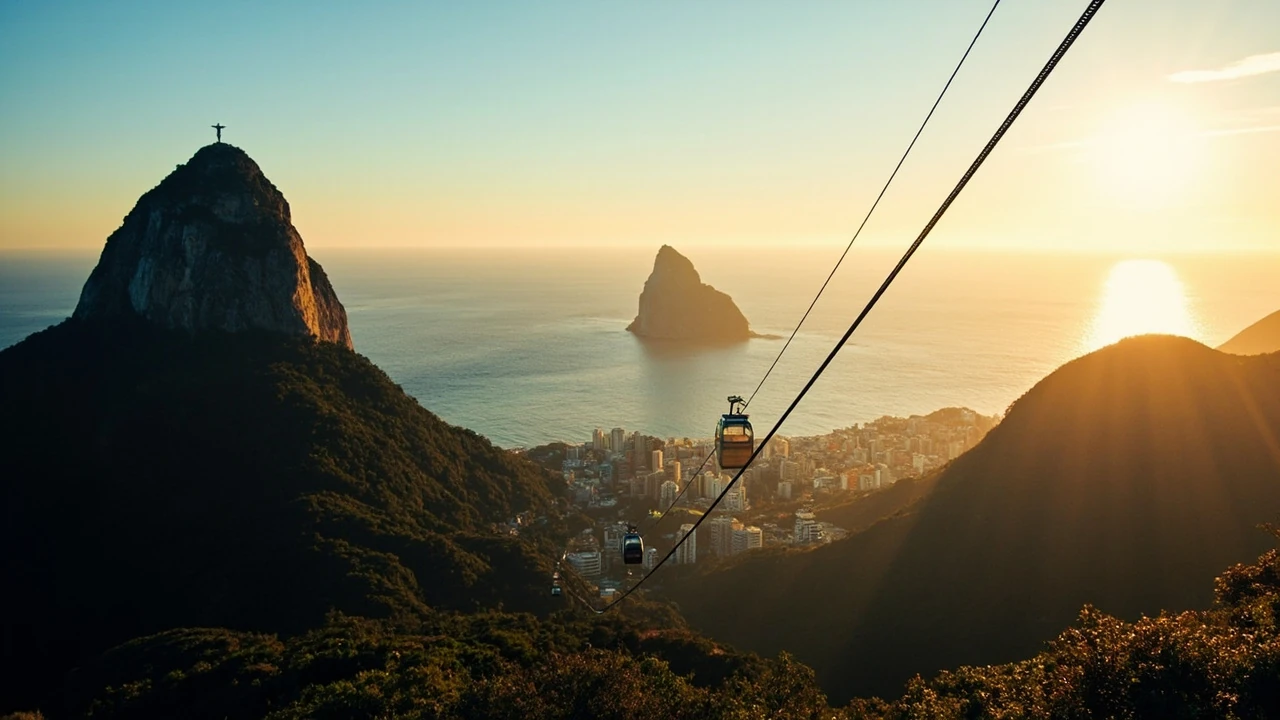
brazil landmarks: how to choose the right places for your trip
Choosing the wrong Brazil landmarks can cost you hours in traffic, crowded viewpoints, and ticket lines. A first-time visitor might put Christ the Redeemer, Iguazú Falls, and a Amazon river excursion on one itinerary, then discover that each destination requires substantial travel time. A better approach starts with the city where you will land, the length of your stay, and the kind of experience you want: monumental views, historic streets, cultural institutions, wildlife, or a manageable mix of all four.
Brazil is large enough that distance matters more than it does in many compact vacation destinations. Rio de Janeiro, São Paulo, Salvador, and Foz do Iguaçu each deserve time on their own. The most rewarding itinerary is rarely a checklist of every famous sight. It is a short list of landmarks with enough time nearby to experience the setting rather than simply photograph it.
This guide focuses on the most recognizable brazil landmarks for first-time visitors and explains how to compare them. It covers the major sights in Rio, the contrast between Rio and São Paulo, the historic appeal of Salvador, and the natural landmarks that justify a longer journey. It also provides planning guidance for transport, timing, accessibility, weather, and crowds without relying on volatile prices or fixed opening hours.
Before booking anything, answer three practical questions. How many nights do you have? Which city or region will serve as your arrival and departure point? Do you prefer one base, a short domestic flight, or a multi-city route? Those answers narrow the field faster than a list of national icons.
How to compare Brazil’s most remarkable landmarks
Brazil’s best-known attractions vary enormously in scale, setting, and the effort required to reach them. Christ the Redeemer rewards early-morning views from a forested mountain. Pelourinho in Salvador rewards time on foot through a compact historic district. Iguazú Falls requires a full day and careful planning around the falls themselves rather than only the viewpoint. Knowing these differences helps prevent a schedule that is technically possible but exhausting.
| Landmark | Main appeal | Best base | Time to allow | Important consideration |
|---|---|---|---|---|
| Christ the Redeemer and Tijuca Forest | Monumental statue, city panorama, mountain forest | Rio de Janeiro | Half day | Access involves mountain roads and can be affected by weather and traffic |
| Sugarloaf Mountain | Panoramic views of Rio and Guanabara Bay | Rio de Janeiro | Two to three hours | Choose the visit that fits your schedule and weather conditions |
| São Paulo Museum of Art and Avenida Paulista | Art, architecture, and a strong urban food culture | São Paulo | One to two days | The city’s scale makes neighborhood selection important |
| Pelourinho | Colonial-era streets, churches, museums, and music | Salvador | One full day | Comfortable shoes are more useful than a packed sightseeing list |
| Iguazú Falls | Waterfalls and subtropical forest on the Brazil side | Foz do Iguaçu | One to two days | Allow a full day rather than squeezing it between flights |
| Amazon waterways | Wildlife, rainforest scenery, and guided interpretation | A gateway city near the forest | Several days | Travel distance and guide arrangements require more planning |
Time is often the best comparator. A landmark that seems modest on a map may deserve several hours once queues, transfers, walking, and lunch are included. Rio’s major mountain attractions can consume most of a day even if the destinations themselves are close together. Salvador’s core can be explored at a comfortable walking pace. Iguazú works best as an overnight stay rather than an impulsive stopover.
Weather also affects the choice. Mountain views in Rio can disappear behind cloud, while outdoor historical districts are more comfortable in cooler or drier periods. Northern river trips depend on local conditions, water levels, and flight or road availability. Treat any itinerary as flexible rather than promising one perfect sequence for every season.
- Choose one anchor city and make it your home base for the first several days.
- Add a second region only if the trip has at least three nights beyond the arrival city.
- Keep major outdoor attractions on separate days when weather could disrupt them.
- Leave the final day flexible for a delayed flight, a change in weather, or a neighborhood you want to revisit.
Rio de Janeiro’s essential landmarks and how to visit them
Rio concentrates several world-famous brazil landmarks within one metropolitan area, but the best way to experience the city is by dividing its attractions into distinct outings. Christ the Redeemer, Sugarloaf Mountain, Tijuca Forest, and the city beaches do not work well as a single hurried circuit.
Begin with Christ the Redeemer and Tijuca Forest. The statue is one of Brazil’s most recognizable sights, but the surrounding national park also deserves attention. The forested landscape and elevated perspectives create a striking contrast with the dense city below. Go early when conditions are usually more favorable for clear views and a calmer atmosphere. Check current transport arrangements before departure, since access routes and operating status can change.
For a practical model of a Rio day, this one-day Rio itinerary from BBC Travel combines coffee and a beach morning with a cog railway ascent to Christ the Redeemer, followed by cultural neighborhoods and evening entertainment. Treat it as a framework rather than a current itinerary: services, access arrangements, and neighborhood conditions should be verified independently.
Sugarloaf Mountain deserves its own outing if you want a clear sense of the city’s vertical geography. The ride up, short walks around the upper station, and views across Guanabara Bay offer a different perspective from the forest and statue. Weather can shift quickly at elevation, so carry a light layer and avoid committing the only good-view day of the trip without a backup plan.
Next, build time for the beach and boardwalk rather than treating them as empty spaces between attractions. Copacabana, Ipanema, and Leblon each have a distinct atmosphere. A morning at the beach can be followed by a walk along Avenida Atlântica, lunch, and a quieter period at a museum or café. If your priorities include architecture and indoor culture, use the beach time for a shorter visit and devote more of the day to attractions such as the Santa Teresa district.
| Rio outing | Suggested order | Best use of the day |
|---|---|---|
| Mountains and city views | Christ the Redeemer and Tijuca Forest, then Sugarloaf Mountain if conditions allow | Photography, scenery, and landmark sightseeing |
| Beach and urban coast | Early Copacabana walk, Ipanema or Leblon, lunch, then the waterfront | Relaxed local atmosphere without overpacking the schedule |
| History and creative neighborhoods | Santa Teresa or another arts-focused area, followed by a museum and evening meal | Culture, architecture, and a slower sense of the city |
For travelers comparing large national destinations, it can also help to read about how other countries structure landmark-focused itineraries. South Korea landmarks demonstrate how one city can hold historic palaces, contemporary neighborhoods, and major mountain sites, while Greek history shows why historical context can add depth to a famous place. The comparison is useful: Rio is strongest when you balance outdoor icons with the neighborhoods and culture surrounding them.
What São Paulo offers beyond the country’s famous icons
São Paulo is not usually the first place readers mention when they picture Brazil’s landmarks, yet the city has one of the country’s most distinctive cultural identities. Its historic center, modern architecture, museums, food scene, and enormous metropolitan scale require a different approach from Rio. If your goal is the postcard monument, Rio may be more immediately satisfying. If you want art, design, music, and urban food, São Paulo deserves at least two or three days.
The Museu de Arte de São Paulo, commonly called MASP, is a useful starting point because its collection spans works from different periods and regions. The surrounding Avenida Paulista district also provides a clear picture of the city’s modern development. Across town, the Vale do Pinheiros and Vila Madalena areas reflect the city’s creative and restaurant culture. The Ibirapuera Park area adds large green space, architecture, and museums within a short trip of central districts.
Do not attempt to cross the city for every attraction. A morning at MASP, an afternoon around Ibirapuera, and an evening in a different neighborhood can be more satisfying than a fast route among unrelated photo stops. The city rewards travelers who choose a small number of areas and learn how to move between them.
- Choose one central cultural corridor for museums and architecture.
- Reserve half a day for a park or quieter institutional site.
- Use a neighborhood-based food plan instead of chasing restaurants across the entire city.
- Leave time for an evening performance or live music venue if that is part of your trip.
The same principle helps when comparing this city with other landmark destinations. A good travel plan should not merely increase the number of photographs. It should create enough time to understand the place. São Paulo is best for travelers who value urban culture and are willing to organize the visit by district.
Salvador’s historic center and the value of a slower itinerary
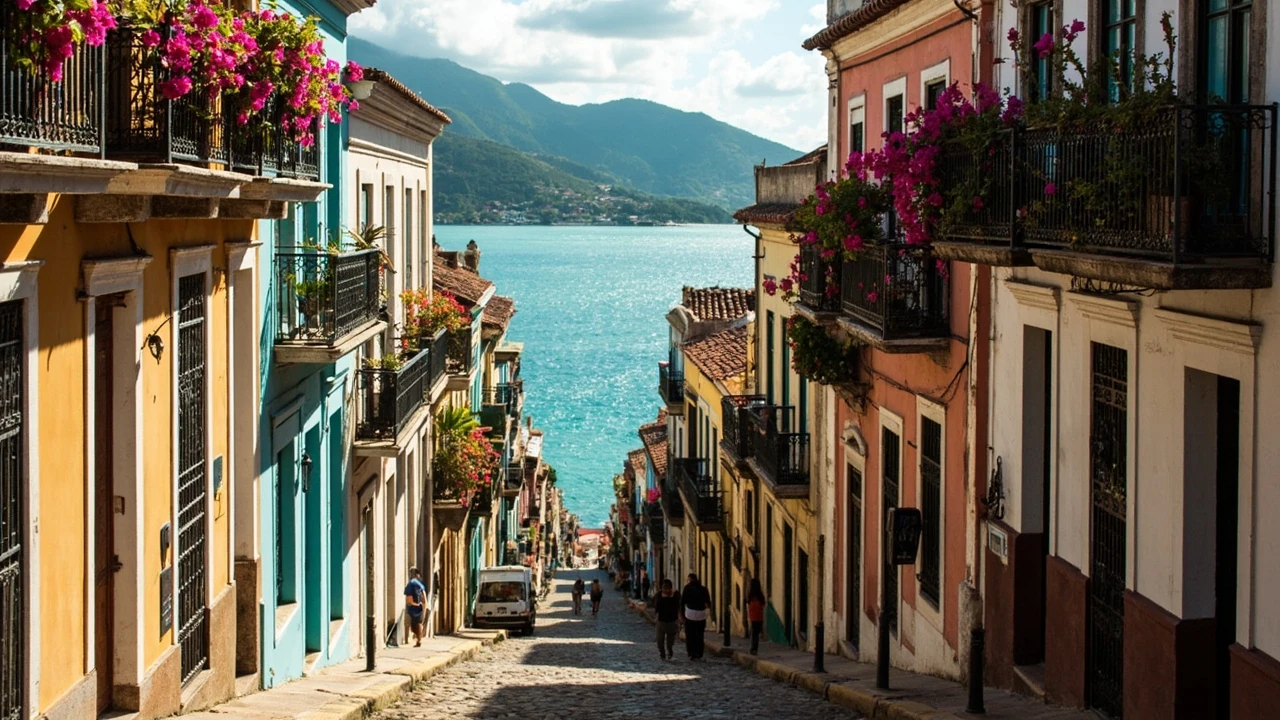
Salvador’s most persuasive brazil landmarks are not isolated monuments. They form part of a historic urban landscape where churches, pastel façades, narrow streets, music venues, markets, and public squares overlap. Pelourinho is the best-known area, but understanding the wider center helps explain why the city’s culture feels different from Brazil’s large southern capitals.
Begin in Pelourinho with enough time to walk without rushing between every address. The churches and major museums can anchor the route, but side streets reveal the texture that makes the district memorable. Pay attention to the elevations, stairways, and views toward the bay. Salvador is not flat, and a route that looks simple on a map may involve a steep climb.
Add the city’s broader historic center rather than treating the evening as a separate nightlife excursion. Depending on your interests, a second day could include a museum, a market, a rehearsal or performance, and a meal in a neighborhood outside the most photographed blocks. Choosing a responsible operator for any neighborhood tour is especially important because social conditions and local operating practices vary.
Salvador is a strong addition to a Brazil trip, but it does not need to compete with Rio or São Paulo. A trip based on Salvador works well for travelers who prefer fewer bases, deeper cultural engagement, and a slower pace. Four nights can provide a comfortable balance between historic sights, nearby coastal landscapes, music, and time to revisit favorite areas.
Natural landmarks: Iguazú Falls and the Amazon gateway
Iguazú Falls and the Amazon region answer a different travel need. They are not urban sightseeing collections, and each requires travel beyond the country’s principal cities. Choose them when you are willing to give up some flexibility for a landscape or wildlife experience.
At Iguazú, the falls are the reason to come. The Brazilian side provides access to walking routes and elevated views of the immense waterfall system, while the surrounding subtropical forest and wildlife add another dimension. The falls belong on a full-day itinerary. Moving early through the main trail system can be rewarding, but comfort, footwear, and the possibility of rain matter more than rushing to complete every route.
More time can reveal the surrounding region. Foz do Iguaçu is a gateway rather than the sole attraction, and a second day allows space for the broader area or a repeat visit under different conditions. If you also plan to visit the falls from Argentina’s side, border formalities and current cross-border arrangements require advance attention.
An Amazon journey asks for an even more deliberate pace. Depending on the gateway you use, you may travel by plane, boat, or road before reaching forest accommodation. Wildlife sightings are never guaranteed, and responsible operators should explain how they protect habitats and respect local communities. The value lies in the forest ecosystem, qualified guiding, and the experience of traveling through the landscape rather than treating wildlife as a guaranteed photo subject.
| Natural destination | Best for | Recommended stay | Main limitation |
|---|---|---|---|
| Iguazú Falls | Waterfalls, forest walks, and dramatic scenery | One to two nights in Foz do Iguaçu | Weather and walking conditions can change the experience |
| Amazon gateway | Rainforest, river travel, birds, and guided ecology | Several nights | Longer journey from major cities and fewer schedule guarantees |
| Coastal or island escapes | Relaxation, marine scenery, and fewer urban transfers | Three or more nights | Weather and transport disruptions can affect access |
A practical rule is to choose one natural extension rather than attempting several distant ecosystems. The destination should earn its place in your itinerary. If you have only a week and want to include Rio, São Paulo, Salvador, and Iguazú, the travel itself may become more memorable than the places.
How to build a realistic Brazil itinerary
A strong itinerary balances concentration with enough variety. Start by counting usable nights rather than calendar days. Arrival and departure days rarely provide a full sightseeing day, especially when domestic flights are involved. Subtracting those partial days gives you a clearer view of what can be accomplished.
For a first visit, Rio deserves the largest share of time. Two nights may be enough for the central sights, but three nights allow a landmark day, a beach day, and time for a neighborhood without pressure. Four nights are better for travelers who also want slower meals, museums, or nearby coastal areas.
São Paulo works well as a second urban stop when the traveler wants a different view of modern Brazil. Salvador is an alternative rather than a required add-on; choosing both means giving each city enough time to feel distinct. Iguazú requires a clear flight or overnight transfer and should not become an exhausting final dash.
- Choose the arrival city based on your longest stay and the easiest practical arrival.
- Reserve one full day for the most important landmark region in that city.
- Use a second day for a contrasting neighborhood, museum, or cultural activity.
- Add a second base only when at least three nights remain for it.
- Keep the final full day flexible rather than booking a remote attraction immediately before departure.
Sample itineraries should remain illustrative because flight schedules, access arrangements, weather, and personal priorities vary. One common first-timer pattern is five nights in Rio, followed by two nights in São Paulo. Another is four nights in Rio, one travel night, and three nights in Salvador. A nature-focused version might use three nights in Rio, then fly to Foz do Iguaçu for a longer stay. The correct version is the one that leaves enough time for the places you actually chose.
Planning details that prevent common travel mistakes
The most common Brazil planning mistake is underestimating movement between attractions. Another is assuming that a famous landmark will be equally compelling when the weather is poor or the site is crowded. A third is booking a tightly packed day without accounting for meals, rests, security awareness, or changes in pace.
Use official tourism and attraction information for current opening arrangements, ticketing, and access. Check the source again shortly before travel because operating details can change. Third-party reviews are useful for atmosphere, but they should not replace direct information about reservations, transport, weather warnings, or site rules.
- Carry identification and keep digital copies of essential travel documents.
- Learn how to move between neighborhoods and airports before the first busy sightseeing day.
- Use reputable, context-aware guides for favela, wildlife, and community-based tours.
- Keep valuables discreet and follow local guidance, especially in crowded areas.
- Build in rest because heat, humidity, hills, and long transfers can make a packed day tiring.
- Use a small amount of local currency for everyday transactions while retaining a backup payment method.
Accessibility also deserves attention. Historic streets, hills, steps, crowds, and uneven natural trails may create barriers even when a landmark has accessible services elsewhere on the property. Contact the site or operator with specific questions about routes, elevators, mobility vehicles, surfaces, and restroom access rather than assuming the whole visit is suitable for a particular mobility need.
Language support varies by location and attraction. International airports, major hotels, and established visitor sites often provide some English assistance, but smaller establishments may not. A few Portuguese phrases and a translation app can make daily navigation easier. Save the official name of each place in Portuguese because map listings and local directions may use the local spelling rather than its English translation.
How to choose landmarks for different travel styles
There is no universally correct set of brazil landmarks. The best itinerary reflects what you value and how much energy you want to spend. Instead of building a standard list, group your interests and select two or three anchors for each day.
| Travel priority | Best landmark choices | Where to base yourself |
|---|---|---|
| Iconic views and photography | Christ the Redeemer, Sugarloaf Mountain, coastal viewpoints | Rio de Janeiro |
| Architecture, art, and museums | MASP, Ibirapuera Park, historic Salvador center | São Paulo or Salvador |
| Food, music, and local atmosphere | Rio beach neighborhoods, São Paulo dining districts, Salvador performance venues | Choose one or two cities, not every possible stop |
| Nature and wildlife | Iguazú Falls, Amazon waterways, protected coastal areas | Foz do Iguaçu or an Amazon gateway |
| Family travel | Accessible city sights, educational museums, waterfalls with planned routes | Prioritize short transfers and rest breaks |
A first trip to Brazil can reasonably include the Christ the Redeemer, Sugarloaf Mountain, a Rio cultural neighborhood, and an excursion toward Iguazú if time permits. Salvador or São Paulo can replace that excursion when historic culture or urban life matters more than waterfalls. The Amazon should be chosen with a longer horizon because the travel involved is part of the experience.
For travelers who enjoy comparing landmark cities, a broad historical perspective can be useful. Greek history illustrates how monuments gain meaning through the periods that follow them, while Brazil’s own landmarks often tell parallel stories of faith, urban expansion, migration, environmental change, and public space. Understanding those layers turns a collection of famous places into a more coherent trip.
Before departure, print or save a one-page priority list. Mark two landmarks as essential, two neighborhoods or cultural activities as preferred, and one flexible option for a half day. If a delay occurs, you can remove the flexible activity without losing the reason you came. This simple hierarchy is more effective than an ambitious list of thirty places.
Frequently asked questions
What are the best Brazil landmarks for a first-time visitor?
For a short first trip, prioritize Christ the Redeemer and Sugarloaf Mountain in Rio, one cultural neighborhood such as Santa Teresa, and a beach experience. Salvador’s historic center or São Paulo’s museum and architecture districts make good second-city choices. Iguazú Falls is worth adding when the trip is long enough to include travel to Foz do Iguaçu without rushing.
How many days are needed to see Brazil’s main landmarks?
At least seven or eight nights is useful for a comfortable introductory trip that includes Rio and one additional destination. Four nights in Rio provide a sound base for its main sights and neighborhoods, while three additional nights can support São Paulo, Salvador, or a short natural extension. The more places you add, the more time should shift from transportation to actual experiences.
Is Rio de Janeiro the best base for visiting Brazil landmarks?
Rio is the best starting point for many travelers because it contains several major attractions and a range of nearby coastal experiences. It is not the best base for Salvador, São Paulo, Iguazú, or the Amazon. Start there for a first urban introduction, then fly or take an overnight connection if another region deserves a separate stay.
Should I visit Sugarloaf Mountain and Christ the Redeemer on the same day?
It is possible, but the day can feel rushed because both involve mountain travel, weather exposure, and additional movement around Rio. A shorter Rio itinerary gives each site the attention it deserves. If your stay is brief, combine them only when you are comfortable with a full and flexible schedule.
What is the best season to visit Brazil’s landmarks?
The answer depends on the region. Rio’s mountain views are more vulnerable to cloud, while outdoor historic sites are easier to enjoy in cooler weather. Northern river trips depend on local travel and water conditions. Research the specific region and attraction rather than applying one national season to the entire country, and keep some itinerary days flexible.
Are Brazil’s landmarks suitable for families with children?
Many are, especially Rio’s major mountain sites, museums, beach areas, and well-planned waterfall visits. The main considerations are heat, walking distance, uneven surfaces, long transfers, and crowd levels. Choose shorter trails where possible, build in rest, and ask each attraction about stroller access, elevators, and age-appropriate facilities.
Do I need a guide for the Amazon or community tours?
For the Amazon, a qualified local guide is generally the most useful way to understand the ecosystem, wildlife, and safety conditions. Community and neighborhood tours should also use reputable operators that explain who benefits from the visit and how they respect residents. Verify credentials, safety procedures, insurance, and traveler protection before booking.
Can I visit Brazil’s famous landmarks without traveling between several cities?
You can focus entirely on Rio and still see several major landmarks, plus beaches, cultural districts, and nearby coastal areas. Salvador also works as a single-base destination for a slower trip. Trying to add Iguazú or the Amazon without additional travel time usually produces a rushed experience, so keeping the itinerary focused is generally the better decision.
What should I pack for visiting Brazil’s landmarks?
Pack lightweight clothing suitable for heat, comfortable shoes for hills and historic streets, sun protection, insect repellent where appropriate, and a light rain layer. A refillable water bottle and small day bag are useful, but keep valuables discreet and secure. The exact clothing should reflect the regions and seasons on your itinerary rather than the reputation of one city.
Leave a Reply